George W. Lester, Psy.D.
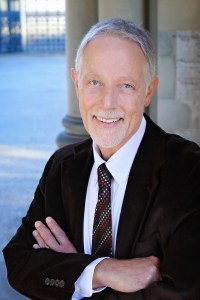
Dr. Lester is an experienced licensed clinical psychologist who has been providing treatment for individuals who have experienced trauma for over 20 years. Dr. Lester received his Doctorate in Psychology from Baylor University and Bachelor of Arts degree from Wake Forest University. He utilizes evidence-based therapies such as EMDR. Dr. Lester is a certified therapist in EMDR. He has received advanced training in EMDR 2.0 and Flash Technique. Additionally he is experienced in a wide variety of complementary approaches including Emotional Freedom Technique (EFT), Acceptance and Commitment Therapy (ACT) and Cognitive Behavioral Therapy (CBT).
Dr. Lester works with adults and teens who have a history of both big T and small t trauma. Issues such as depression, anxiety, chronic pain, PTSD and problems related to low self-esteem and low self-worth are commonly the result of unprocessed trauma. These unprocessed emotions may lead to blocks to the individual’s happiness, sense of fulfillment and motivation to live their best selves. He is a member of the Ohio Psychological Association, American Psychological Association, Certified in EMDR and Board Certified Expert in Traumatic Stress.
Over my career I have been committed to finding ways to assist individuals to live more joyful and fulfilling lives. My values Include integrity, creativity, curiosity and compassion.
EMDR
The originator of EMDR, Francine Shapiro, Ph.D. has noted that emotional roadblocks and poor relationship choices may be the result of unprocessed emotions. Our experiences affect our inner world and come to govern our reactions to situations in the persons we encounter. Networks of memories form in the unconscious mind which determine how the brain interprets the world and how we feel about ourselves.
Unprocessed emotions often lead to emotional disturbance, negative self-beliefs and physical reactions. EMDR (Eye Movement Desensitization and Reprocessing) targets these unprocessed memories and helps to reactivate the brain so that the past can be processed and updated. Habitual responses and feelings can be transformed and released in order to help the person make better choices for their future.
In my many years of psychology practice I have found EMDR to be one of the most effective therapies available. It has been studied and found to be effective in numerous scientific studies. My experience finds
that it can help to free us from negative influences from the past and in some cases can be truly transformational.
TRAUMA
What is trauma? R. Flannery Jr. describes trauma as “the state of severe fright that we experience when we are confronted with a sudden, unexpected, potentially life-threatening event over which we have no control and to which we are unable to respond effectively, no matter how hard we try.”
We find that there are 2 main types of trauma: ‘Large T’ trauma includes natural disasters, fires, major motor vehicle accidents, death of a loved one, history of sexual or physical abuse, victims of crime or life-threatening illnesses.
‘Small t’ trauma includes adverse life experiences that affect self-esteem and beliefs about others as well as self-confidence or self-worth. These may include childhood bullying, experiences of humiliation or extreme embarrassment, divorce, betrayals or growing up with serious parental conflict.
 SOLUTIONS